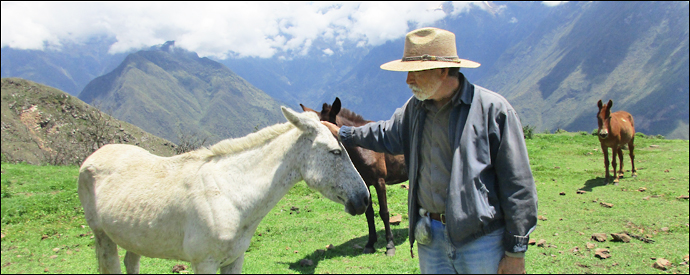

Project Collaborator
Theo Paredes, Ph.D.
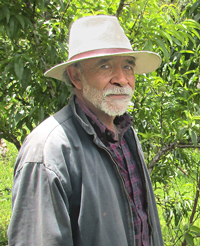
Theo Paredes Yépez is a cultural anthropologist and researcher based in Cusco, Peru. He has over thirty-five years experience developing Andean rural, social, and economic programs, and is especially known for his work on ancient Andean civilizations. He is a fluent speaker of Spanish, Quechua, and English.
His recent positions include: (1) President of the Poqen Kanchay Foundation: specializing in rescue and cultural diffusion of the Peruvian South Andes; (2) Company Manager of Tourist Care and Alternative Medicine; (3) Honorary Advisor to the Association for the Protection of Manú National Park, a UNESCO World Heritage Centre; and (4) International Seminary Scrivener in Canada, United States, Germany, Argentina, and Venezuela, about Andean culture.
His previous professional experience includes: (1) Technical Director of the Inca Regional Government; (2) National Director of the CODEVA Project (Intervention Convention for the development of tropical valleys of the convention and homes for the alternative substitution of coca leaf cultivation) convention between the United Nations and the Peruvian Government; (3) President of the International Technical Commission of the Regional Assembly of the Inca Region; (4) President of the Preparatory Boards for the installation of the Regional Inca Government; (5) President of the Cusco Departmental Corporation (Rector and Executor of Government Development Programs in the Department of Cusco; (6) National Director of the PRODERM Project (Special Project for Rural Development in Micro Regions.
His speaking experiences include university teaching, international consulting, and conference presenter. Topics have included: alternative medicine, medicinal plants and their psychosomatic aspects, psychoactive substances, Andean social history, spirituality, ancient sites, and how Inca society is interwoven with modern Peruvian culture.
He has frequently been a guide giving anthropological tours of significant archaeological sites, including: Saqsaywaman (Cusco), Ollantaytambo (Sacred Valley), Machu Picchu, and other areas of cultural significance, often exploring their energetic, and spiritual qualities, bridging the gap between archaeology and living Andean traditions.